Source Airplane Model 3d Puzzle for Education, Gifts, and DIY
Compare 30 airplane model 3d puzzle options from verified suppliers in China. Buyers can evaluate specifications like piece count, age range, and certifications including EN71 and ASTM for educational and promotional use.
Key considerations
Products List




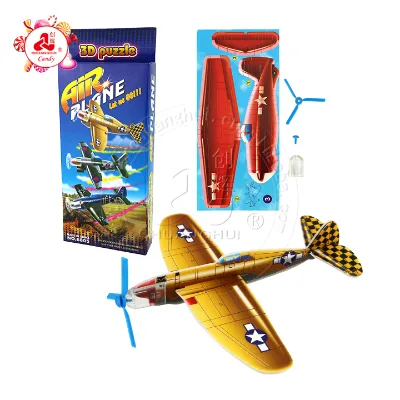

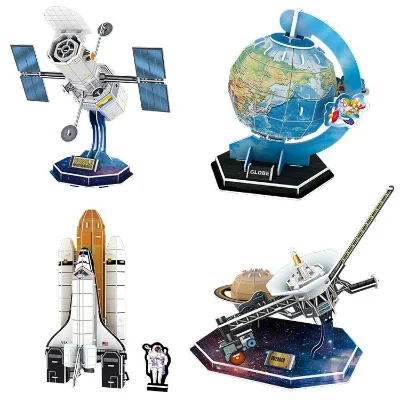
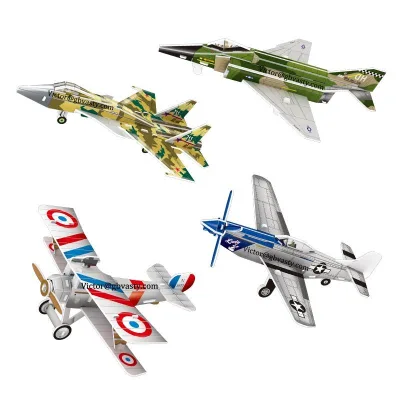
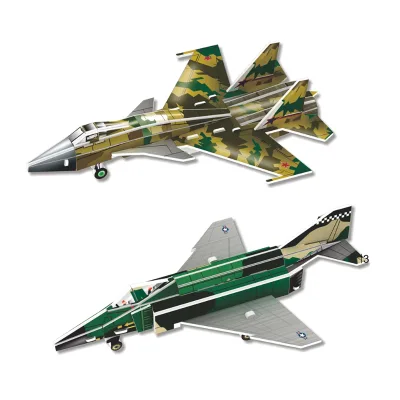
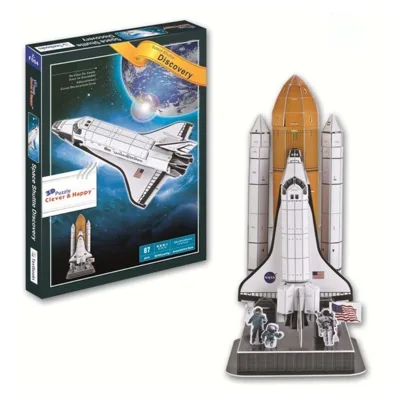

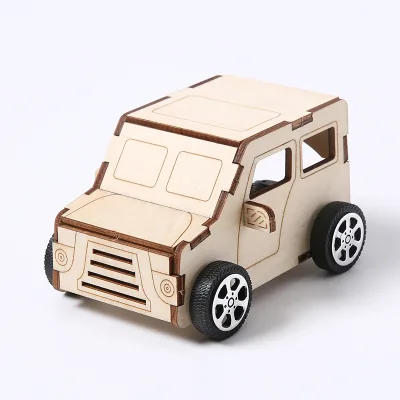
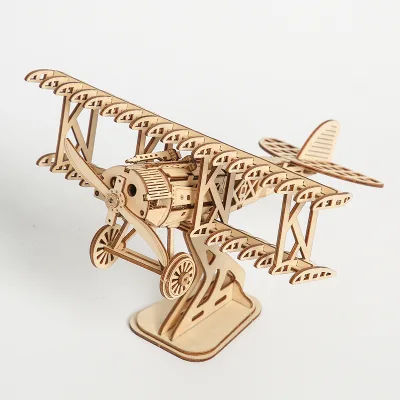

Comprehensive Sourcing Guide
Airplane Model 3D Puzzle Sourcing Guide
Sourcing airplane model 3D puzzles requires a nuanced understanding of the intersection between traditional educational toys and modern, motorized mechanical kits. These products are not merely static display items; they are dynamic learning tools that often integrate jigsaw assembly with functional gearboxes, allowing the final model to move or perform specific actions. For procurement professionals, this distinction is critical because it shifts the quality focus from simple aesthetic alignment to mechanical reliability and durability. Buyers must evaluate suppliers based on their ability to produce consistent mechanical performance alongside precise puzzle piece fitting, ensuring that the "move with gearbox" feature functions reliably after repeated assembly and disassembly.
The market for these items spans a wide demographic, ranging from early childhood educational tools to complex hobbyist kits for older children and adults. Observed listings indicate a broad age range targeting, with specific models designed for ages 2 to 4 years up to 14 years and older. This variance necessitates a segmented sourcing strategy, as the safety requirements, material thickness, and complexity of assembly differ significantly between a simple cardboard puzzle for toddlers and a multi-piece plastic aircraft model for teenagers. Procurement teams must align their purchasing orders with the specific developmental stage of the target consumer, ensuring that the selected model’s piece count and mechanical complexity match the intended user’s capabilities.
Product Scope and Observed Listing Signals
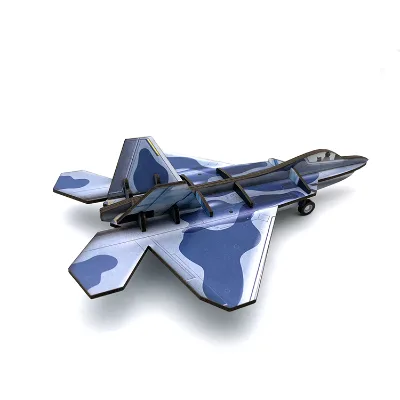
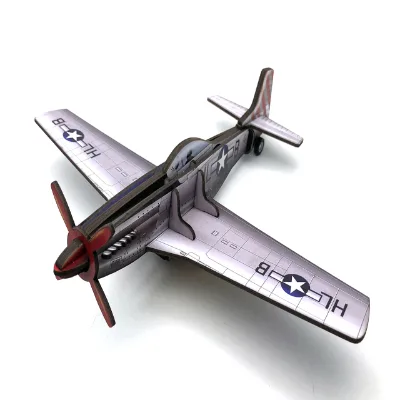
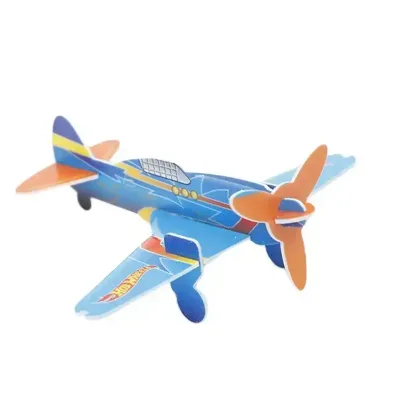
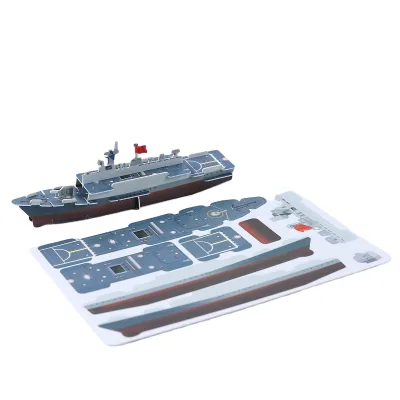
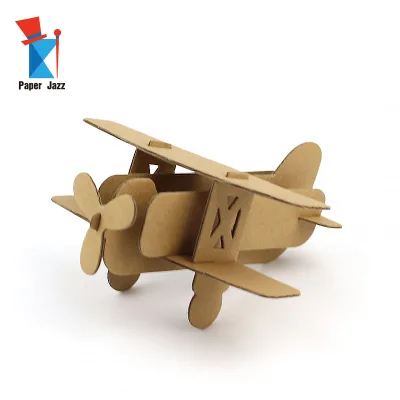
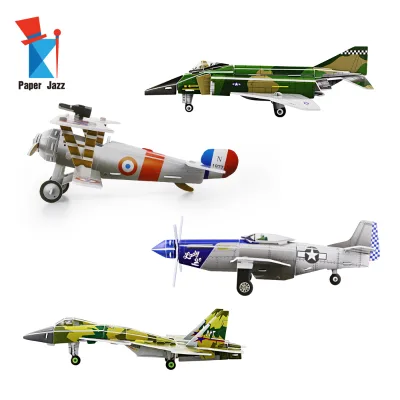
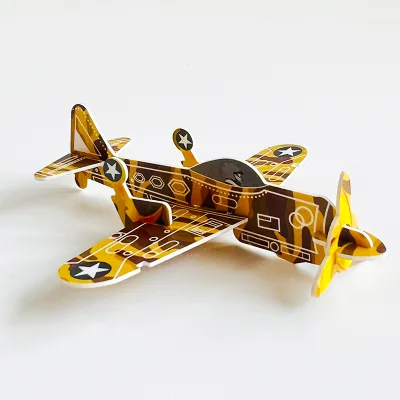
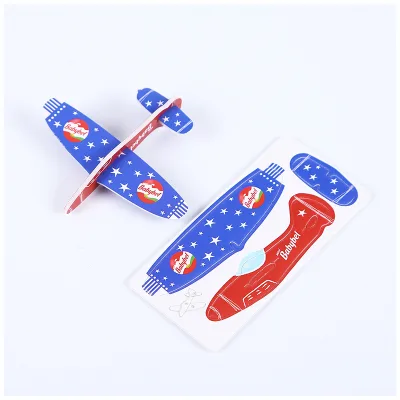
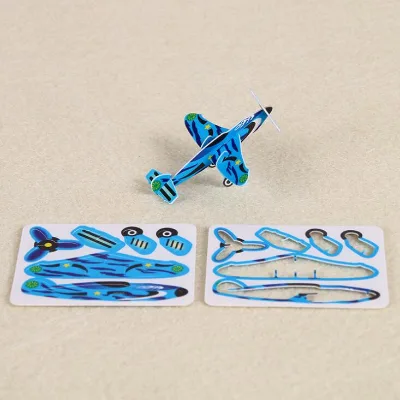
The current market landscape for airplane model 3D puzzles reveals a diverse array of product configurations, primarily driven by material composition and assembly complexity. Suppliers offer models constructed from cardboard, plastic, or hybrid combinations, with piece counts ranging from fewer than 50 pieces for simpler educational sets to over 500 pieces for intricate mechanical assemblies. For instance, specific listings highlight models with 101 to 500 pieces, such as the HWMP-A012, which features a cardboard and plastic mix, while other entries describe smaller, promotional-style puzzles with under 50 pieces made entirely of plastic. This variation allows buyers to curate product lines that cater to different price points and skill levels, from quick-assembly promotional giveaways to premium, long-engagement hobbyist kits.
Listing signals also indicate a strong emphasis on multi-functional design, where 3D puzzles are integrated with motorized elements or jigsaw components. Products are frequently described as "3-in-1" or combining intergrating 3D puzzle, jigsaw puzzle, and motorized puzzle features, suggesting a trend toward higher perceived value through added functionality. The observed supply ability of 20,000 pieces per day across various suppliers indicates a mature manufacturing ecosystem capable of handling large-volume orders. However, buyers should note that while some listings suggest low minimum order quantities (MOQs) as low as 1 piece for sample purposes, standard commercial MOQs often start at 1,000 pieces, reflecting the industrial nature of the production lines.
Technical Specifications to Verify
When evaluating technical specifications, the physical dimensions and packaging details are primary indicators of logistical efficiency and retail readiness. Models vary significantly in size, from compact 9x12cm units to larger 40x25cm assemblies, with single package sizes ranging from small poly bags to substantial boxes measuring up to 65x65x65 cm. Buyers must verify the single gross weight, which can range from 0.8 kg to 1.0 kg per unit, as this directly impacts shipping costs and freight calculations. Additionally, the thickness of the material, observed between 0.6-0.8mm for plastic puzzles and 2mm for others, is a critical factor in determining the structural integrity of the final model, particularly for larger aircraft wings or fuselage sections that must support the weight of integrated gearboxes.
The mechanical and assembly specifications require close scrutiny, especially for models claiming motorized features. Buyers should verify the presence and quality of the gearbox mechanism, ensuring that the "move with gearbox" feature is robust and not prone to jamming. The model numbers, such as HWMP-A007 or JL203, serve as unique identifiers for these technical configurations, allowing for precise reordering and quality consistency. Furthermore, the printing method, often UV printing for vibrant, durable graphics, should be confirmed to ensure that the visual appeal of the airplane model remains intact over time. Verification of the single package size and inner carton quantities, such as 12 pieces per inner carton, is essential for optimizing warehouse storage and retail shelf placement.
Compliance and Safety Documentation
Safety compliance is non-negotiable for airplane model 3D puzzles, particularly given the wide age ranges they target, which include toddlers and young children. Suppliers must provide valid certification documents, with EN71 and ASTM F963 being the most commonly cited standards in the observed listings. These certifications ensure that the materials used, whether cardboard, plastic, or mixed media, are free from harmful chemicals and meet strict mechanical safety requirements, such as small part warnings for choking hazards. Buyers must request current, third-party test reports for each specific model number, as certifications are often tied to specific material compositions and manufacturing processes rather than the supplier as a whole.
In addition to chemical and mechanical safety, buyers should verify that the packaging and labeling comply with regional regulatory requirements. For markets like the European Union, the CE mark is a mandatory indicator of conformity, while the US market requires adherence to ASTM F963 standards. The presence of these certifications on the product or its packaging is a strong indicator of a supplier’s commitment to quality and regulatory compliance. However, buyers should not rely solely on the presence of a certificate; they must ensure that the specific model being purchased is covered under the scope of the provided test report, as variations in material or design can invalidate previous certifications.
Cost Drivers and Commercial Terms
The cost structure of airplane model 3D puzzles is influenced by several key factors, including material complexity, mechanical integration, and packaging requirements. Models with motorized features and gearboxes inherently carry higher production costs due to the additional components and assembly labor involved. Similarly, the use of high-quality plastics or hybrid materials can impact the unit price compared to simpler cardboard-only puzzles. Buyers should also consider the packaging details, as complex multi-layer packaging, such as poly bags inside color boxes inside master cartons, adds to the material and labor costs but is often necessary for retail presentation and product protection.
Commercial terms, particularly MOQs and supply ability, play a significant role in the overall procurement strategy. While some suppliers offer low MOQs for sampling, bulk orders typically require commitments of 1,000 pieces or more, which can affect cash flow and inventory management. The observed supply ability of 20,000 pieces per day suggests that suppliers can handle large orders efficiently, but buyers should confirm lead times for peak seasons to avoid delays. Additionally, the port of dispatch, often Shenzhen or Guangdong, should be factored into logistics planning, as shipping costs and transit times can vary based on the destination market. Understanding these commercial dynamics allows buyers to negotiate better terms and plan their inventory more effectively.
Supplier Qualification and Quality Control
Supplier qualification for airplane model 3D puzzles should focus on manufacturing capability and quality control processes. Buyers should verify the supplier’s production capacity, noting that some facilities can produce up to 20,000 pieces per day, indicating a robust manufacturing infrastructure. It is also important to assess the supplier’s experience with OEM/ODM services, as this indicates their flexibility in customizing models for specific brand requirements. Suppliers located in Guangdong and Zhejiang, China, are common sources, but buyers should conduct on-site audits or request detailed factory profiles to ensure that the production environment meets international standards for toy manufacturing.
Quality control measures must be rigorous, particularly for models with mechanical components. Buyers should implement pre-shipment inspections that focus on the functionality of the gearbox, the precision of puzzle piece fitting, and the durability of the materials. Random sampling from production batches should be tested for mechanical stress, ensuring that the model can withstand repeated assembly and operation without failure. Additionally, visual inspections should be conducted to check for printing defects, color consistency, and packaging integrity. Establishing clear quality acceptance criteria with the supplier before production begins is essential to minimize the risk of receiving non-conforming goods.
Long-Term Procurement Checks
Long-term procurement success for airplane model 3D puzzles depends on continuous monitoring of supplier performance and market trends. Buyers should regularly review supplier compliance with safety standards, ensuring that certifications remain valid and up-to-date. This includes staying informed about any changes in regulatory requirements in target markets, such as updates to EN71 or ASTM F963 standards, and ensuring that suppliers adapt their production processes accordingly. Regular communication with suppliers regarding new model developments, such as updated gearbox designs or new material innovations, can help buyers stay competitive in the evolving toy market.
Furthermore, buyers should maintain a diversified supplier base to mitigate risks associated with supply chain disruptions. While relying on high-capacity suppliers is beneficial for volume orders, having alternative sources for specific model types or materials can provide flexibility during peak demand periods or when facing production issues. Building strong relationships with suppliers through consistent ordering and clear feedback on quality issues can lead to better pricing, priority production slots, and collaborative product development opportunities. By focusing on these long-term checks, buyers can ensure a stable and reliable supply of high-quality airplane model 3D puzzles for their customers.
FAQs
What materials are used for the 3D airplane puzzle?
The product is constructed from cardboard and plastic materials. This combination ensures durability while maintaining the lightweight nature required for assembly. The specific model HWMP-A012 utilizes these components to create a sturdy structure suitable for educational play.
Which certifications does the toy meet for safety?
The toy holds EN71 and ASTM certifications to ensure safety compliance. These standards verify that the product meets rigorous safety requirements for children. Buyers can rely on these documented certifications when assessing product safety for international markets.
How many pieces are included in the puzzle set?
The puzzle set contains between 101 and 500 pieces depending on the specific model. Some variations may have fewer than 50 pieces for younger children. The piece count varies by model number, such as HWMP-A012 or HWMP-A007.
Can the puzzle move after assembly?
Yes, the puzzle features a gearbox mechanism that allows it to move. This motorized function distinguishes it from static models. The feature integrates 3D puzzle, jigsaw puzzle, and motorized elements together for an interactive experience.
What is the minimum order quantity for this product?
The minimum order quantity is 1000 pieces for standard orders. Some listings indicate a range from 1 to 5000 pieces depending on the supplier agreement. Buyers should verify specific MOQ requirements with the manufacturer before placing an order.
Where are the products manufactured?
The products originate from Guangdong, China, and Zhejiang, China. These locations are the primary places of origin for the listed items. Buyers can expect shipping from ports like Shenzhen or Hongkong for these mainland Chinese factories.
What is the daily supply capacity of the factory?
The factory has a supply ability of 20000 pieces per day. This capacity supports large volume orders for 3D puzzle aircraft toys. The high production rate ensures timely delivery for bulk procurement needs.